Article: REVIT 2027 NEW FEATURES
REVIT 2027 NEW FEATURES
REVIT 2027 NEW FEATURES

Revit 2027 New Features
Autodesk Revit 2027 represents a shift in how BIM is executed across architecture, structure, and MEP. This release moves beyond incremental updates and introduces AI-driven workflows, improved performance, and stronger system intelligence.
One of the biggest changes is the integration of an AI assistant directly inside Revit. Users can interact with their model using natural language—query elements, generate schedules, adjust parameters, and automate repetitive tasks without digging through menus. This reduces friction and speeds up decision-making across the entire modeling process.
Performance has also been upgraded. Revit 2027 improves graphics handling and memory usage, allowing large models to open faster and run smoother. Navigation, especially in complex or linked models, is more responsive, making real-time work more efficient.
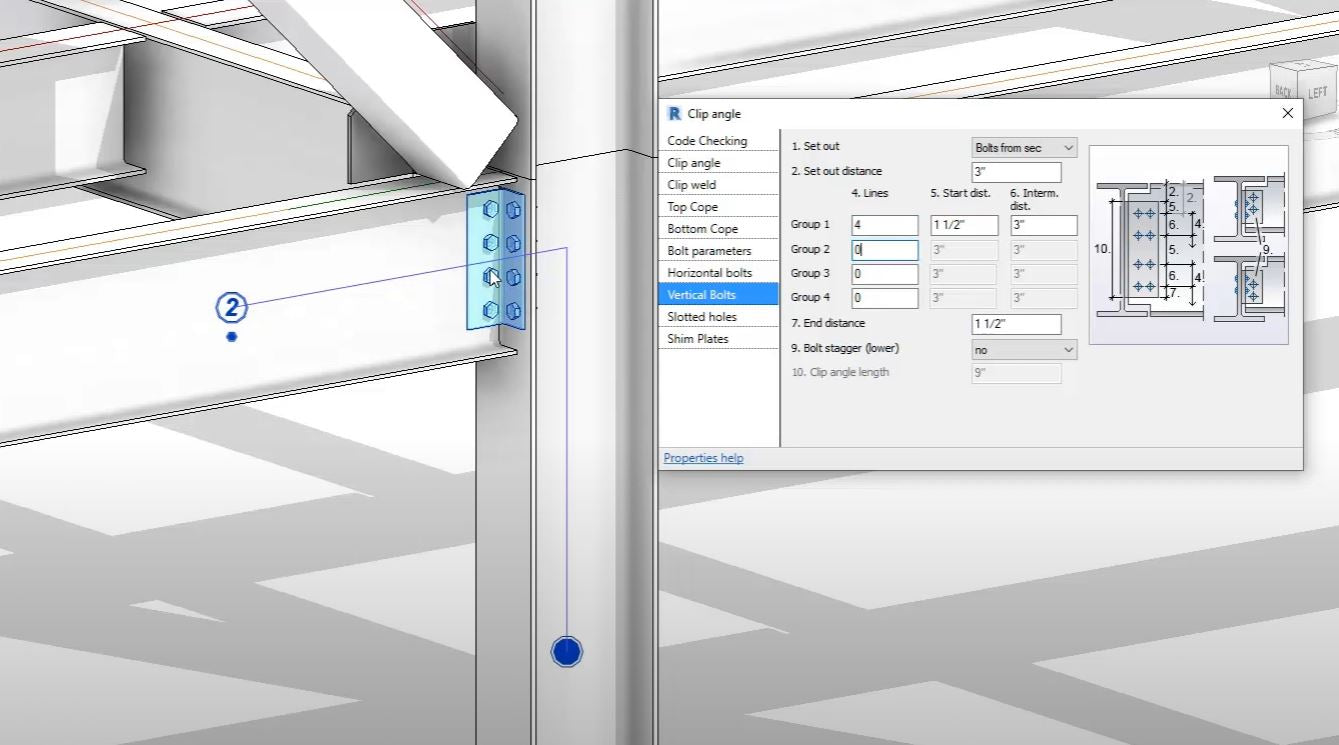
On the modeling side, practical improvements address long-standing workflow issues. Features like hosting walls on other walls, rule-based element numbering, and multi-element editing directly from schedules reduce manual work and minimize coordination errors.
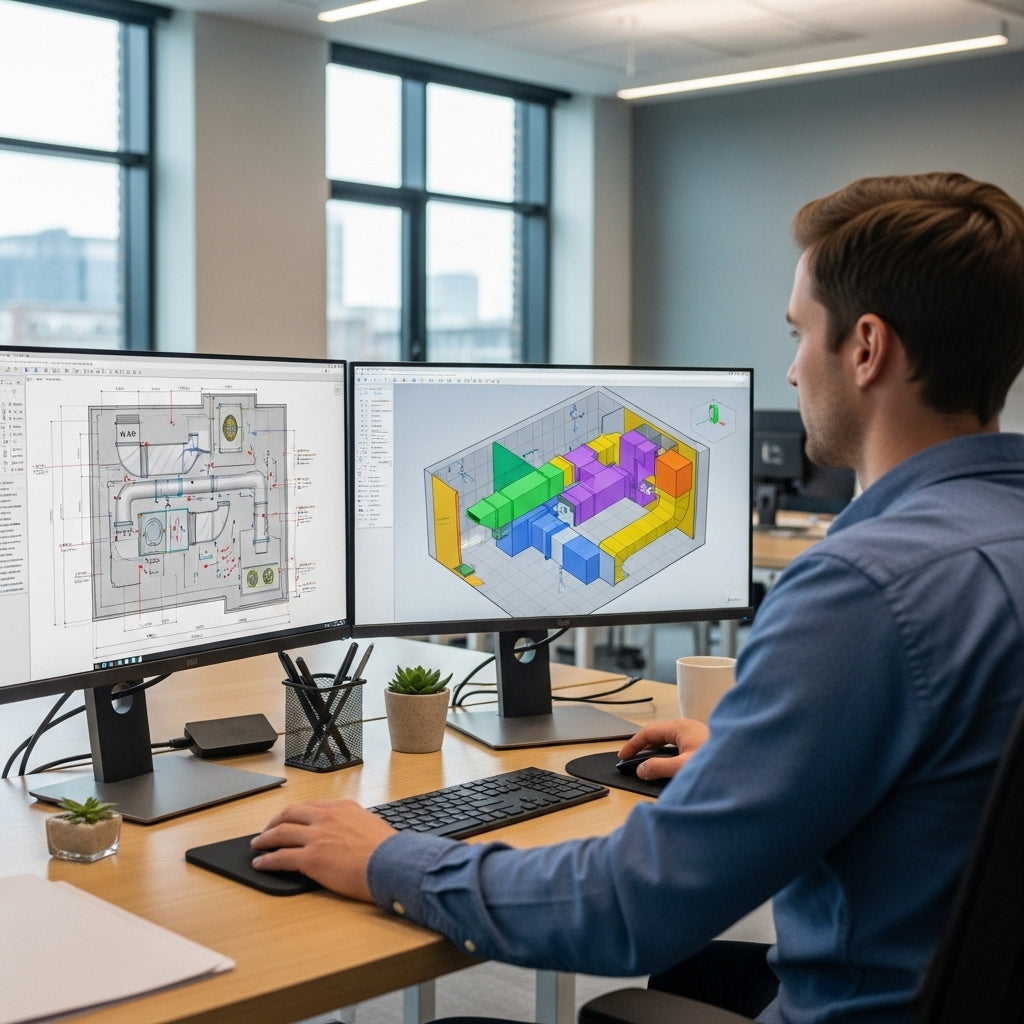
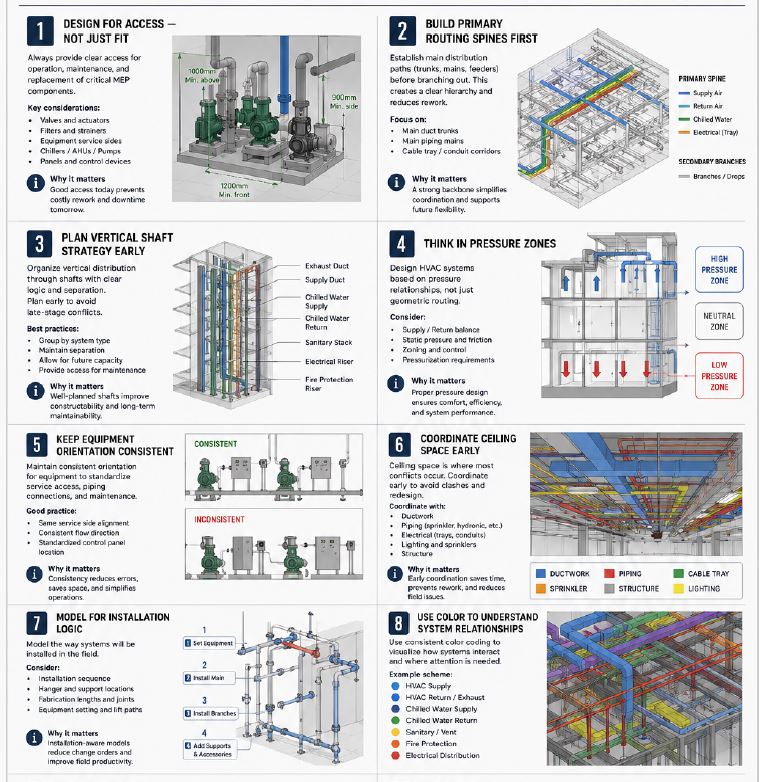
For MEP workflows, Revit 2027 enhances system design with better HVAC zoning, improved energy analysis, and stronger fabrication alignment. These updates allow for more accurate system modeling and tighter coordination between design intent and real-world performance.
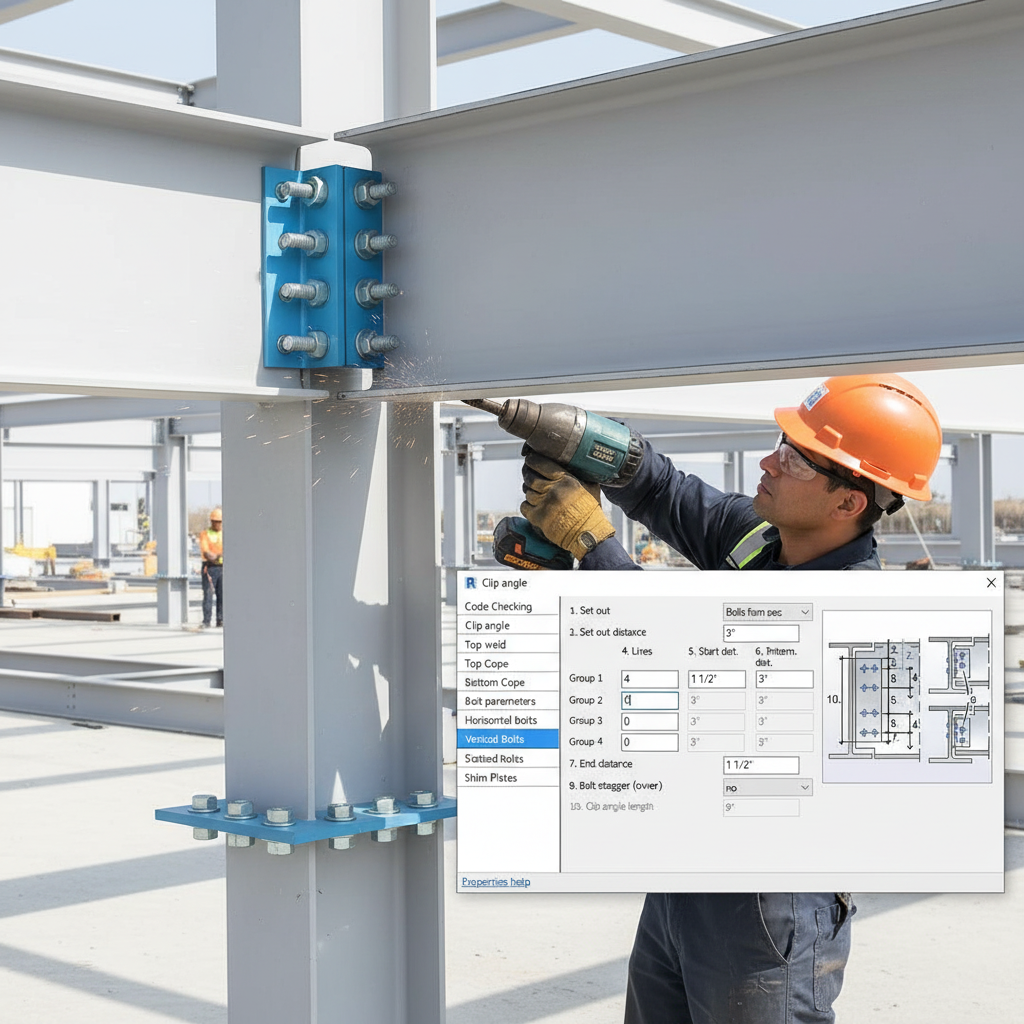
Structural tools have also been improved, including more advanced rebar modeling, stronger analytical capabilities, and better documentation of structural conditions. This supports higher precision from design through construction.
Interoperability continues to expand, with better IFC handling and stronger integration across platforms, allowing teams to coordinate more effectively across disciplines.
Bottom Line
Revit 2027 is focused on speed, automation, and intelligence.
AI is now embedded into the workflow, performance is more stable at scale, and coordination across teams is more efficient.
Contact
Read more

Ambrose Archipelago The New York Resurgence
Ambrose Archipelago — Wawane-pék Kitahikàn DescriptionThe Ambrose Archipelago — Wawane-pék Kitahikàn is a bold economic and infrastructure vision centered on a new offshore extension of Kings Count...
Read more